
Please note that the Hammer Test measures the surface hardness of concrete, so its results are indicative. For higher accuracy, Hammer Test results should be combined with the UPV Test and/or correlated with concrete coring results.
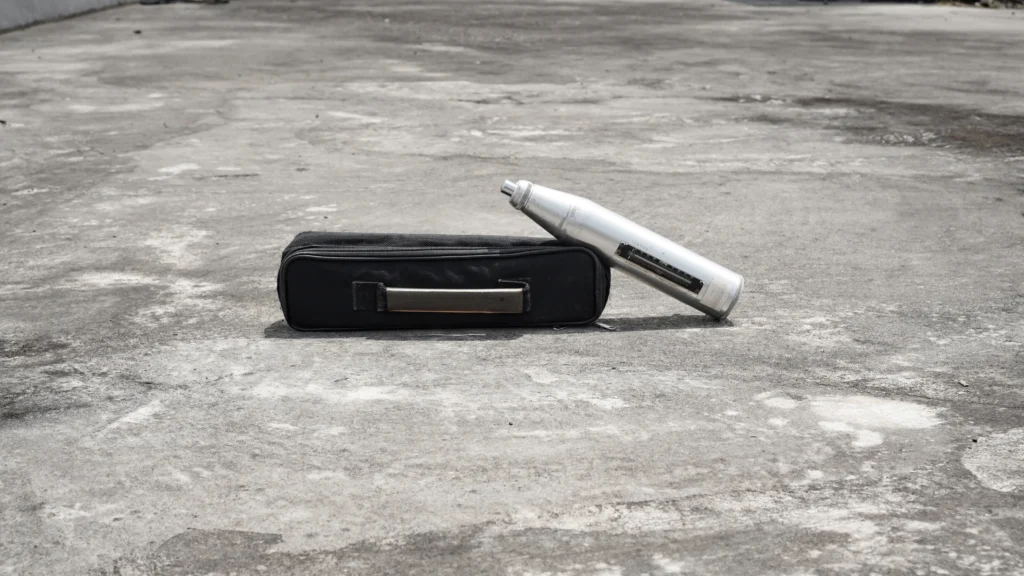
Scope of Work & Work Stages
- Element & Test Point SelectionPoints are selected on structural columns, beams, slabs, or walls that represent the building's condition.
- Surface PreparationThe concrete surface is cleaned and smoothed of plaster, paint, or dirt to ensure accurate readings.
- Equipment CalibrationThe instrument is checked and calibrated before testing begins.
- TestingImpacts are made at several points in each test area with a sufficient number of readings.
- Data ProcessingRebound values are averaged, corrected for test direction, and then converted into an estimate of concrete compressive strength.
- Analysis & ReportingResults are compared with the design concrete grade and presented in a report.
What You Get
- Rebound number data at each test point
- Estimated concrete compressive strength of each tested element
- Concrete quality distribution map for the building
- Comparison with the design concrete grade
- Photo documentation and test point plan
- Conclusions and recommendations in the test report